 Skip to content

CoreTech Move routine IT work off your desk
ITMSS TIER 02 · ACT
Stop being the person who’s expected to make IT happen.
During MGI’s normal business hours, CoreTech moves routine technology work involving users, access, applications, networks, backups, and vendor handoffs into one managed operating relationship — so ordinary IT work stops defaulting back to owners, managers, and staff.
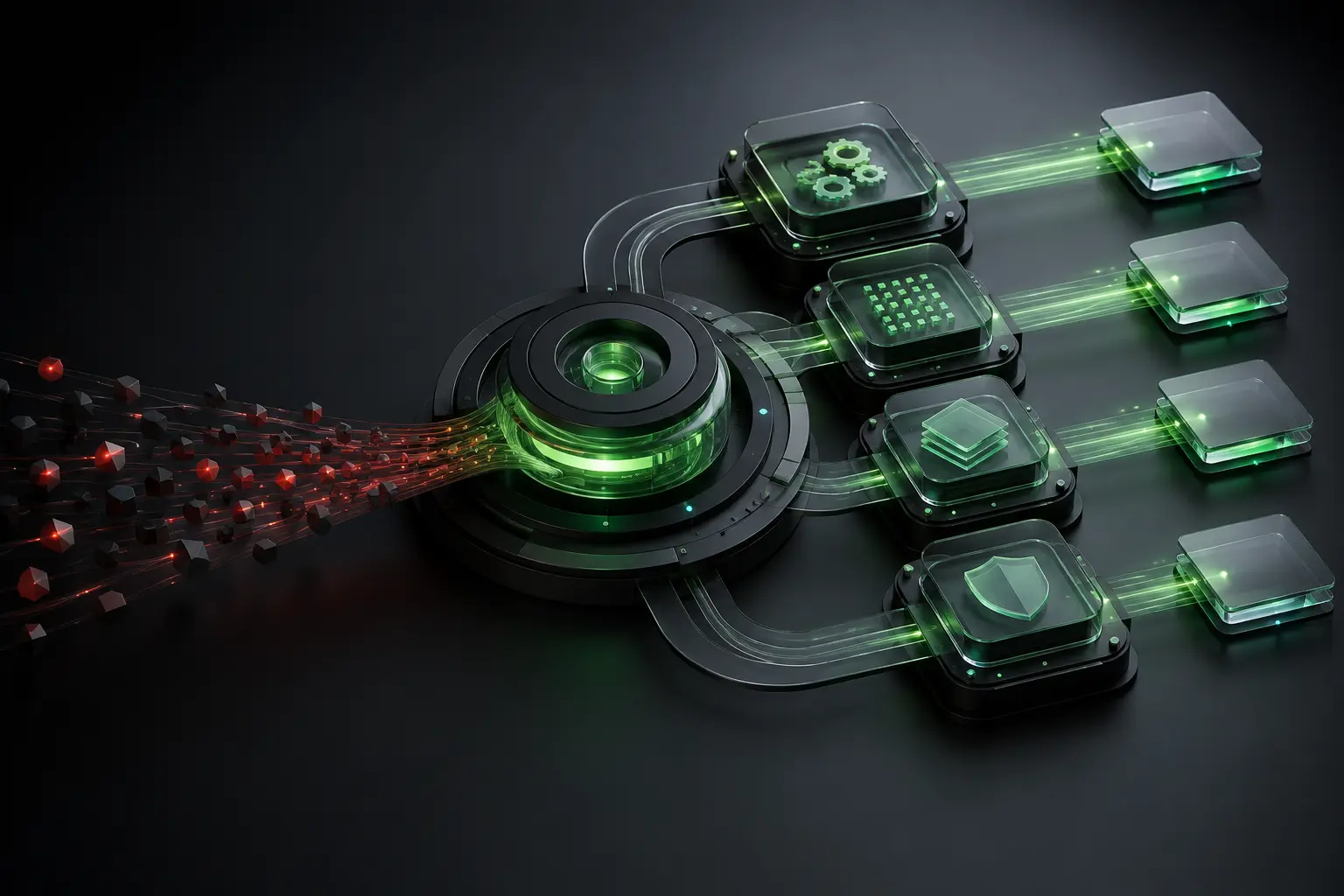
The accidental IT department
The business has support — but your people still carry the work.
CoreTech is designed for organizations that need more than alerts and a phone number. It creates an operating role for the routine work that quietly consumes time across the business.
Owners become the escalation path
When technology interrupts the business, the owner or manager still decides who to call, explains the history, and checks whether anything was finished.
Access changes become office work
New hires, departures, permissions, and login problems land with employees whose actual job is running the company or serving customers.
Vendors create a coordination loop
The application vendor blames the network, the carrier blames the firewall, and someone inside the business becomes the translator between them.
Every issue starts from zero
Prior changes, environment context, and recurring patterns are reconstructed repeatedly because the support relationship doesn’t preserve enough operational memory.
From support access to operating relief
CoreTech changes who performs the routine work.
The difference isn’t a larger collection of product logos. CoreTech authorizes MGI to act across ordinary supported operations, preserving context as work moves between users, systems, vendors, and the next decision.
User and identity work
During MGI’s normal business hours, MGI can troubleshoot common supported user issues and perform routine authorized provisioning, deprovisioning, access changes, and identity administration.
Existing environment administration
MGI can administer and troubleshoot existing supported network, cloud, device, and platform configurations within the routine operating boundary.
Application support in context
Supported line-of-business issues can be evaluated across client configuration, authentication, connectivity, and the surrounding environment.
Backup and vendor follow-through
CoreTech adds supported backup administration, failure investigation, readiness observations, routine restore assistance, and appropriate reactive vendor coordination.
What ACT looks like
The value is the work your team no longer has to orchestrate.
CoreTech gives ordinary operating moments a defined path through one relationship, while keeping material changes and separately authorized work visible.
A new employee needs to be productive
Identity, supported access, device context, application permissions, and timing all have to line up.
MGI valueThe business keeps decision authority while MGI carries the routine supported administration and handoff.
A line-of-business application stops working
The cause may live in the user, device, identity, network, application, or vendor service.
MGI valueThe customer is less likely to become the translator between multiple technical parties.
A backup warning becomes a restore request
Monitoring, administration, readiness, and recovery execution are different responsibilities.
MGI valueThe request receives operational attention without turning backup service into a recovery guarantee or formal continuity promise.
The operating-relief dividend
Routine support should consume less business attention over time.
An environment will still change and concentrated incidents can still occur. But when routine work follows a defined operating path, context can accumulate, recurring conditions can become easier to recognize, and fewer loose tasks need to live in an owner’s memory.
CoreTech isn’t valuable because it creates more tickets. It’s valuable when routine technology work stops becoming everybody else’s second job.
-
01
Interrupted
Users and managers decide where each issue belongs, repeat the environment history, and chase the next step.
-
02
Connected
Support, identity, existing infrastructure, applications, backups, and vendors enter one operating context.
-
03
Remembered
Service history and documentation can inform the next authorized action instead of forcing another reconstruction from zero.
-
04
Quieter
Routine technology work can pull less attention from the business while the managed operating discipline continues behind it.
Clear by design
Routine operations are managed. Material change stays visible.
CoreTech is deliberately broad enough to relieve ordinary operating work without disguising projects, strategic services, major changes, or exceptional response as routine subscription activity.
- The common baseline cybersecurity protections and monitoring posture
- Hands-on support for common issues within the existing supported environment
- Routine authorized identity, access, network, cloud, device, and platform administration
- Supported backup operations, routine restore assistance, and reactive vendor coordination where appropriate
- Business decisions, approvals, and responsibility for client-controlled systems and vendors
- Projects, implementations, migrations, and material or planned changes
- Executive strategy, formal business-continuity planning, and full incident-response execution
- On-site work, after-hours treatment, and commercial exceptions unless expressly included or separately authorized
One foundation · three operating roles
Choose how much of the operating load MGI carries.
Every tier begins with the same baseline cybersecurity posture. The meaningful difference is what happens after something needs attention.
BaseTech
SEE
Secure visibilityExplore BaseTechCoreTech
ACT
Day-to-day operating reliefCurrent pageTotalTech
OWN MORE
Greater operational ownershipExplore TotalTechStraight answers
Questions buyers ask about CoreTech.
Clear operating roles make it easier to compare real responsibility — not just tool names and checkmarks.
Is CoreTech unlimited IT support?
No. CoreTech is a managed operating relationship governed by the supported environment, selected scope, reasonable-use requirements, applicable policies, and Applicable Order. It isn’t unlimited labor, an all-inclusive promise, or a bank of prepaid hours.
When’s routine hands-on support available?
CoreTech’s routine hands-on end-user support and administration use MGI’s normal-business-hours posture. After-hours or exceptional-response treatment isn’t implied and remains separately governed unless expressly established in the Applicable Order.
What makes CoreTech different from BaseTech?
BaseTech primarily monitors, triages, and notifies while another authorized resource acts. CoreTech moves routine hands-on support, administration, troubleshooting, backup operations, and appropriate vendor coordination to MGI.
Does CoreTech include projects or major changes?
Not automatically. Implementations, migrations, material changes, and work outside the routine existing supported environment are evaluated and separately authorized so scope, risk, timing, and commercial treatment remain clear.
Does CoreTech guarantee faster response or fewer problems?
No. CoreTech doesn’t guarantee response, resolution, availability, prevention, recovery, ticket reduction, or another outcome. It establishes an active operating role and standard relative priority appropriate to the tier within the authorized service relationship.
Move the routine work
Give your team back the time technology keeps borrowing.
Tell MGI which issues, access changes, vendor loops, backup questions, and recurring tasks keep returning to your people. We can map them against the CoreTech operating boundary.
